
Understanding Industrial Use LCD Modules in LED Display Applications
Industrial use LCD modules have become a cornerstone in various applications, particularly in the realm of LED displays. As industries increasingly rely on visual displays for communication and data representation, understanding the role of these modules is essential for professionals in the electric and electronics sector. LCD (Liquid Crystal Display) modules are designed to present information
2024-08-09
LCD (Liquid Crystal Display) modules are designed to present information clearly and efficiently. In industrial settings, they serve critical functions, ranging from monitoring systems to control panels and user interfaces. The integration of industrial use LCD modules allows for high visibility and readability, even in challenging lighting conditions, which is particularly important for environments with bright overhead lights or outdoor displays.
One of the key advantages of utilizing LCD modules in industrial applications is their energy efficiency. Compared to traditional display technologies, LCDs consume less power, making them a sustainable choice for long-term operations. This efficiency not only reduces operational costs but also extends the lifespan of the display, a critical factor for industries that rely on continuous operation.
Durability is another essential feature of industrial use LCD modules. These modules are often designed to withstand harsh environments, including extreme temperatures, humidity, and vibration. As such, they are ideal for use in manufacturing facilities, warehouses, and other industrial settings where equipment may be subjected to rigorous conditions.
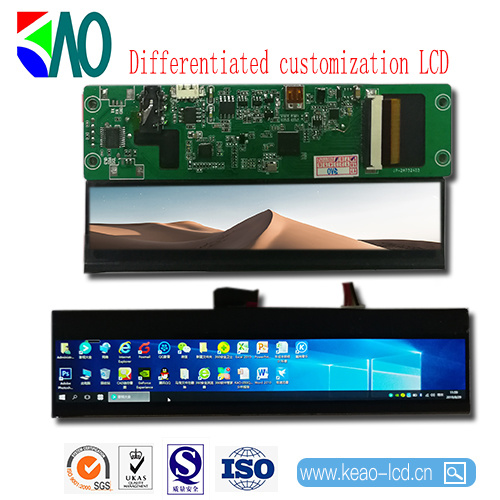
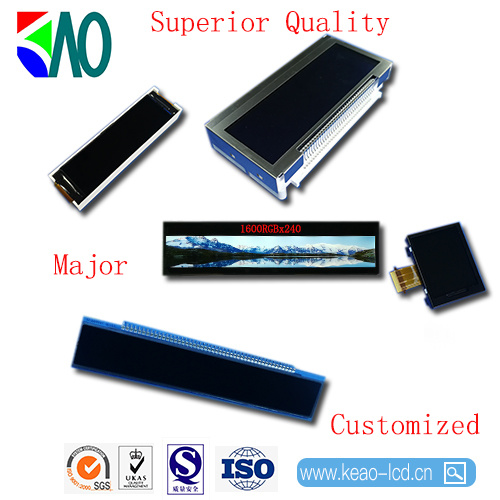
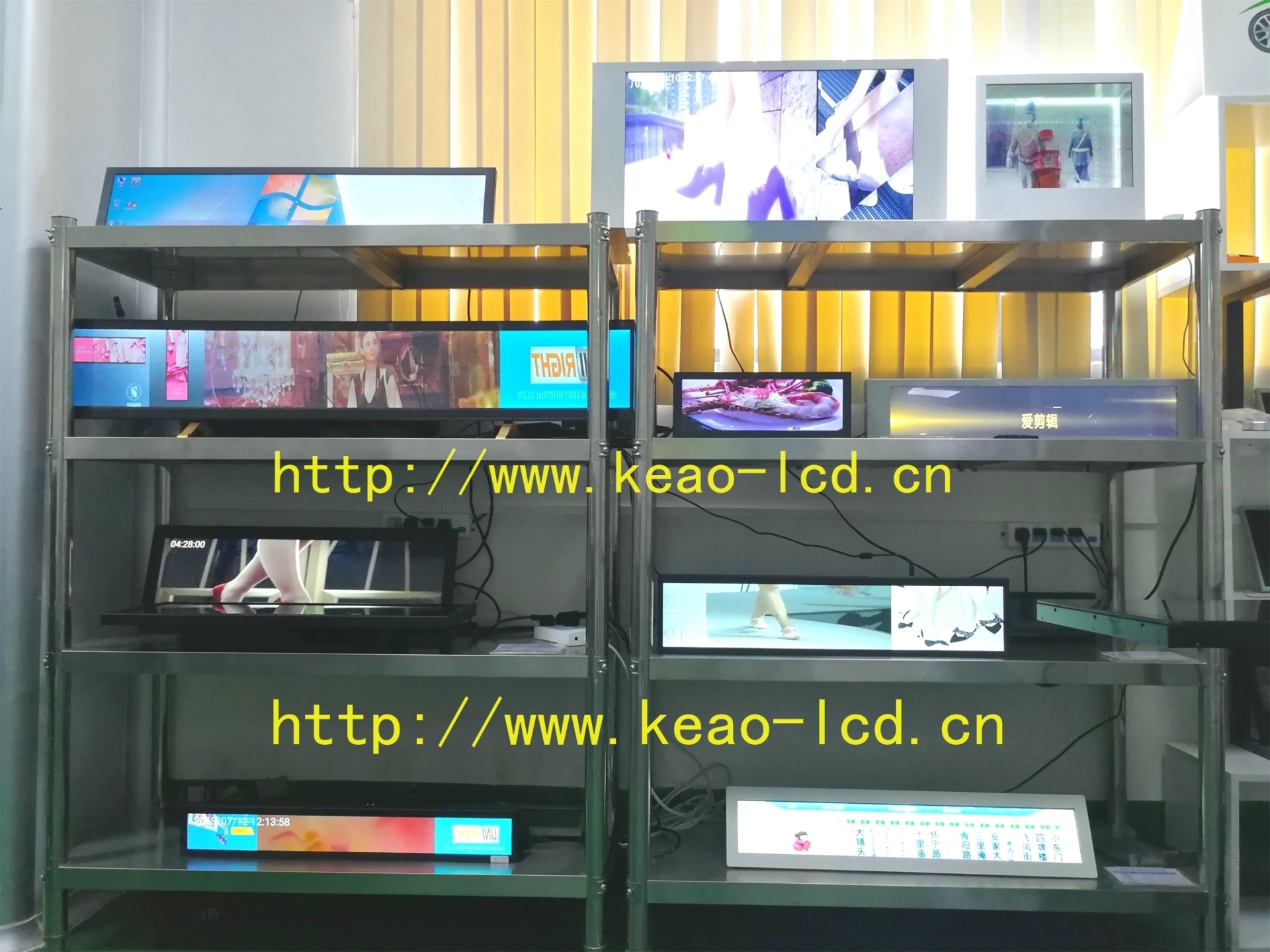
Furthermore, many industrial use LCD modules offer customization options, enabling professionals to tailor the displays to their specific needs. This includes features such as touchscreens for interactive applications, various sizes and resolutions for different viewing distances, and compatibility with various communication protocols for seamless integration with existing systems.
When selecting an LCD module for industrial use, it is crucial to consider factors such as the intended application, environmental conditions, and required specifications. Understanding the differences in resolution, viewing angles, and interfaces can help professionals make informed decisions that align with their operational requirements.
In conclusion, industrial use LCD modules play a vital role in enhancing the functionality and efficiency of LED displays in various applications. Their energy efficiency, durability, and customization options make them a preferred choice for professionals in the electric and electronics industry. Embracing these technologies not only optimizes performance but also contributes to the overall advancement of industrial display solutions. As the industry continues to evolve, staying informed about the advancements in LCD technology will be crucial for maintaining competitive advantages.
Related info
Subscribe to us
Get the latest updates as soon as possible


Dongguan Keao Photoelectric Co., Ltd.
Integrity, collaboration, innovation, gratitude
Address
2nd Floor, Building B, Hengshenglong Industrial Zone, Tianxin Town, Tangxia Town, Dongguan City, Guangdong Province, China