
Understanding LCD Display Modules: A Comprehensive Guide
LCD (Liquid Crystal Display) display modules are vital components in the realm of electronics, playing a significant role in visual communication across various industries, including the electric and LED display sectors. Understanding the intricacies of LCD display modules can enhance your appreciation of their functionality and versatility. At their core, LCD display modules consist of liquid cry
2024-09-04
At their core, LCD display modules consist of liquid crystals sandwiched between layers of glass or plastic. When an electric current is applied, these liquid crystals align to modulate light, creating images or text. This technology is valued for its ability to provide sharp images, low power consumption, and a slim form factor, making it an ideal choice for a wide range of applications.
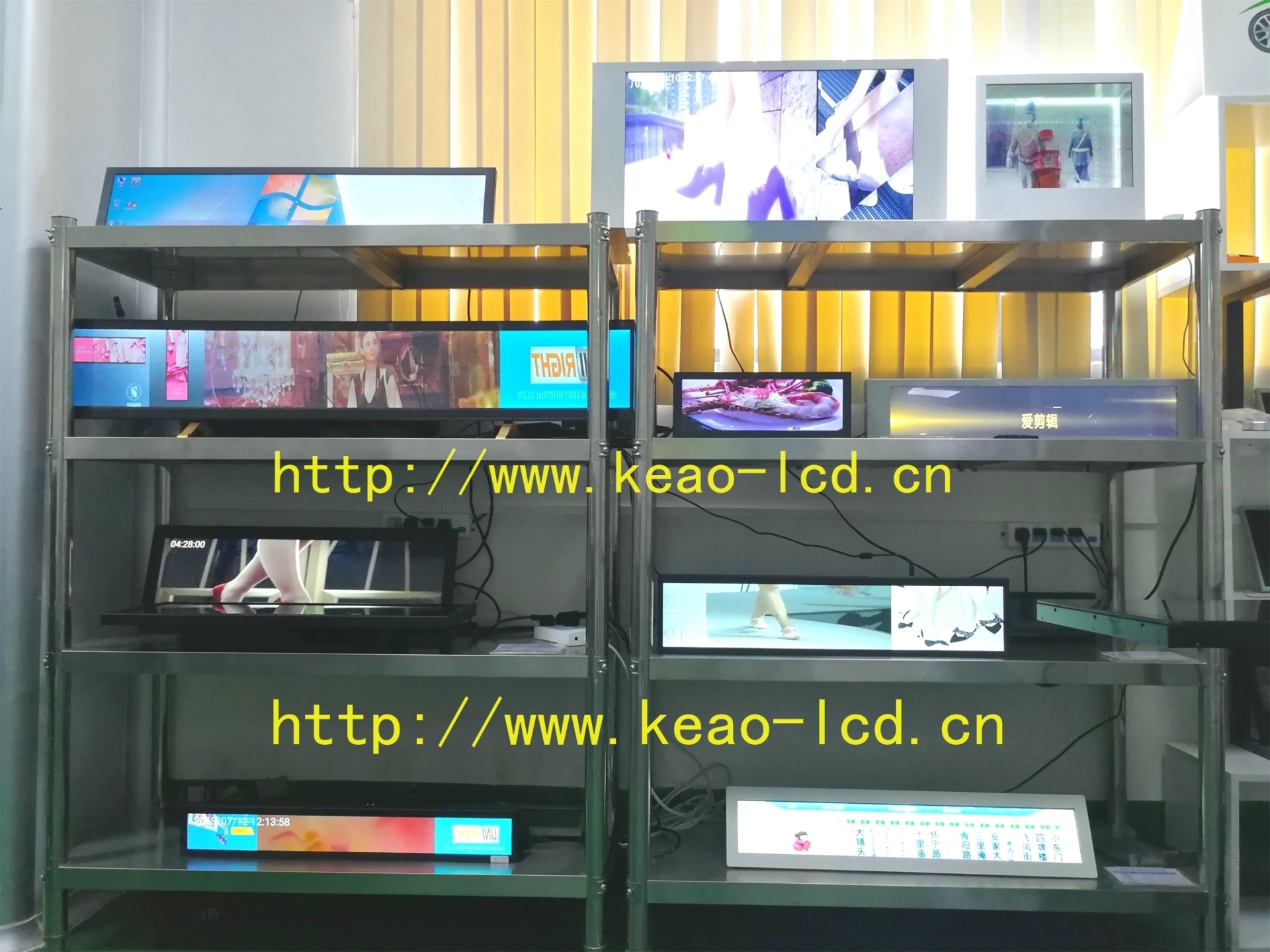
One of the key advantages of LCD display modules is their ability to produce vibrant colors and high resolution. This makes them suitable for devices such as smartphones, tablets, and various consumer electronics. In the electric and LED display industries, LCDs offer a reliable way to present information, whether it’s for control panels, signage, or even in smart home devices.
Moreover, LCD modules are usually equipped with a backlight, which allows them to be visible in low-light conditions. This feature is particularly beneficial for outdoor LED displays, where ambient lighting can vary significantly. The backlighting technology can vary, with options including LED and CCFL (Cold Cathode Fluorescent Lamp), each providing different levels of brightness and energy efficiency.
When integrating an LCD display module into a project, it’s essential to consider factors such as the module’s size, resolution, and interface type. Common communication protocols include SPI (Serial Peripheral Interface) and I2C (Inter-Integrated Circuit), which facilitate easy integration with microcontrollers and other electronic components. Understanding these interfaces is crucial for developers and engineers working on innovative solutions that incorporate LCD technology.
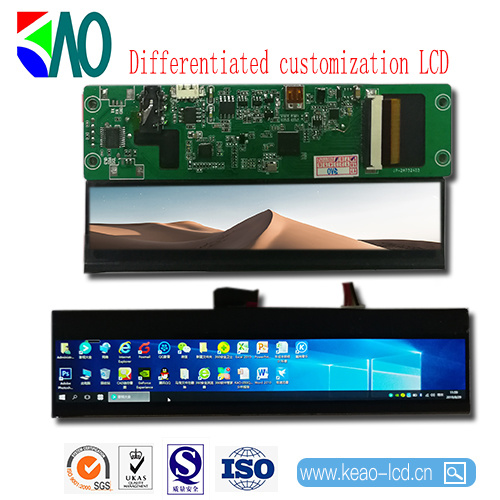
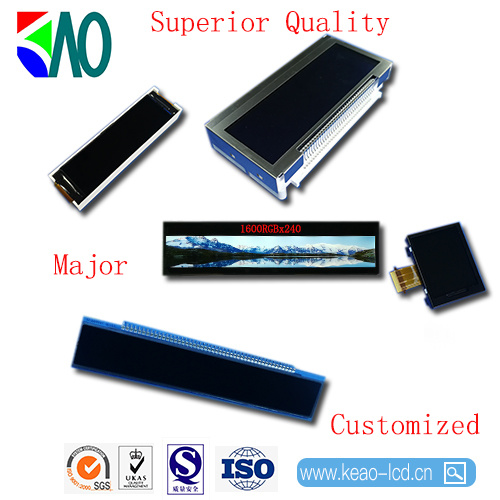
Furthermore, the adaptability of LCD display modules makes them suitable for a wide range of environments, from industrial settings to consumer applications. They can be customized in terms of size and features, allowing businesses to tailor their displays to meet specific needs. This versatility is a significant factor in their widespread adoption across various sectors, including automotive, healthcare, and retail.
In conclusion, LCD display modules are essential in delivering visual information across multiple platforms, particularly within the electric and LED display industries. Their unique structure, combined with advanced technologies, makes them a preferred choice for displaying dynamic content. A deeper understanding of these modules will enable you to leverage their capabilities effectively in your projects, ensuring you remain competitive in a rapidly evolving technological landscape.
Related info
Subscribe to us
Get the latest updates as soon as possible


Dongguan Keao Photoelectric Co., Ltd.
Integrity, collaboration, innovation, gratitude
Address
2nd Floor, Building B, Hengshenglong Industrial Zone, Tianxin Town, Tangxia Town, Dongguan City, Guangdong Province, China