
How LCD Modules Can Improve Your LED Display's Energy Efficiency
How LCD Modules Can Improve Your LED Display's Energy Efficiency Understanding LED Displays and Their Energy Consumption LED displays are widely used in various applications, from advertising billboards to television screens. However, they can consume significant amounts of energy, leading to high operational costs and environmental concerns. In this section, we will delve into the basics of LED
2024-09-09
How LCD Modules Can Improve Your LED Display's Energy Efficiency
Understanding LED Displays and Their Energy Consumption
LED displays are widely used in various applications, from advertising billboards to television screens. However, they can consume significant amounts of energy, leading to high operational costs and environmental concerns. In this section, we will delve into the basics of LED displays and their energy consumption patterns.
The Basics of LED Technology
Light Emitting Diodes (LEDs) are semiconductor devices that emit light when an electric current passes through them. Unlike traditional incandescent bulbs, which convert energy to light inefficiently, LEDs are more energy-efficient, producing more lumens per watt. Despite their advantages, LED displays still consume a considerable amount of power, particularly when used in large formats or high brightness applications.
Factors Affecting Energy Consumption in LED Displays
Several factors influence the energy efficiency of LED displays, including:
- **Brightness Levels:** Higher brightness settings lead to increased power consumption.
- **Display Size:** Larger displays naturally consume more energy.
- **Content Type:** Static images typically require less power than dynamic video content.
- **Environmental Conditions:** External lighting conditions affect the brightness requirements of the display.
The Role of LCD Modules in Enhancing Energy Efficiency
Integrating LCD modules into LED display systems presents a unique opportunity to optimize energy consumption. The following sections explore how LCD technology complements LED displays to create more efficient solutions.
What are LCD Modules?
LCD (Liquid Crystal Display) modules consist of a liquid crystal film sandwiched between two polarizing filters. When an electric current is applied, the liquid crystals align to control the passage of light. LCD technology is known for its low power consumption, making it an ideal candidate for enhancing energy efficiency in LED displays.
How LCD Modules Reduce Energy Consumption
Integrating LCD modules into LED displays can lead to significant energy savings through various mechanisms:
- **Backlight Control:** LCDs can utilize adaptive backlighting, adjusting brightness based on the content being displayed, which reduces power draw.
- **Improved Color Accuracy:** LCD modules can enhance color reproduction, allowing for lower brightness settings while maintaining visual quality.
- **Reduced Heat Generation:** By consuming less power, LCD modules generate less heat, minimizing the need for additional cooling systems, further reducing energy consumption.
Benefits of Combining LCD Modules with LED Displays
The integration of LCD modules into LED systems offers multiple benefits beyond just energy efficiency. This section outlines the additional advantages of this technology combination.
Enhanced Visual Performance
Combining LCD modules with LED displays enhances visual performance by improving color fidelity and contrast ratios. This results in more vibrant and engaging displays, which can attract and retain viewers' attention effectively.
Extended Lifespan of Display Systems
By lowering energy consumption and heat generation, the lifespan of both LCD and LED components can be extended. This durability leads to reduced maintenance costs and fewer replacements, establishing a more sustainable display solution.
Cost-Effectiveness and Return on Investment (ROI)
Investing in LCD-modified LED displays can lead to substantial savings on energy bills. The reduced operational costs, combined with the extended lifespan of components, result in a favorable ROI for businesses and organizations.
Best Practices for Implementing LCD Modules in LED Displays
To achieve optimal energy efficiency and performance, it’s essential to follow best practices when integrating LCD modules with LED displays. The following guidelines can help ensure a successful implementation.
Conduct an Energy Audit
Before implementing new technology, conduct an energy audit of your current display systems. Identify areas where energy consumption is highest and determine how LCD modules could enhance efficiency.
Select Quality Components
Choose high-quality LCD modules that are designed specifically for integration with LED systems. This ensures compatibility, reliability, and optimal performance.
Utilize Smart Control Systems
Incorporate smart control systems to manage brightness levels, effectively controlling energy use based on environmental lighting and content type. This adaptability maximizes energy savings.
Regular Maintenance and Updates
Regularly maintain and update your display systems. Keeping software and hardware in optimal condition ensures maximum energy efficiency and performance.
Future Trends in Display Technology and Energy Efficiency
As technology continues to advance, the future of display systems looks promising. Innovations will likely enhance energy efficiency even further. Here are some trends to watch for.
Advancements in LCD Technology
Future innovations in LCD technology may lead to even lower power consumption, improved refresh rates, and better adaptation to varying lighting conditions.
Integration of AI and Machine Learning
Artificial Intelligence (AI) and machine learning can optimize display performance by predicting usage patterns and adjusting settings accordingly to reduce energy consumption.
Increased Demand for Sustainable Solutions
As environmental concerns grow, there will be a heightened demand for sustainable display solutions. Companies that invest in energy-efficient technologies will gain a competitive advantage in the market.
FAQs About LCD Modules and LED Displays
1. How do LCD modules work with LED displays?
LCD modules work by controlling light passage to enhance image quality and reduce power consumption. They can adjust backlighting based on content, optimizing energy use.
2. Can integrating LCD modules increase the lifespan of LED displays?
Yes, by reducing energy consumption and heat generation, integrating LCD modules can extend the lifespan of both LCD and LED components.
3. What are the cost benefits of using LCD modules with LED displays?
Cost benefits include lower energy bills, reduced maintenance costs, and a favorable return on investment due to the extended lifespan of components.
4. Are there any drawbacks to using LCD modules in LED displays?
While the benefits generally outweigh the drawbacks, potential issues may include compatibility concerns and the need for additional expertise during installation.
5. How can I measure the energy efficiency of my display system?
You can measure energy efficiency by conducting an energy audit, which involves analyzing power consumption, brightness levels, and maintenance costs.
Conclusion
Integrating LCD modules into LED display systems presents a compelling opportunity to improve energy efficiency while enhancing visual performance and reducing operational costs. By understanding how these technologies work together and implementing best practices, businesses can take significant steps toward sustainability. As advancements in display technology continue to emerge, investing in energy-efficient solutions will not only benefit the environment but will also provide a competitive edge in an increasingly eco-conscious market. Embrace the future of display technology today by optimizing your LED systems with LCD modules.
Related info
Subscribe to us
Get the latest updates as soon as possible


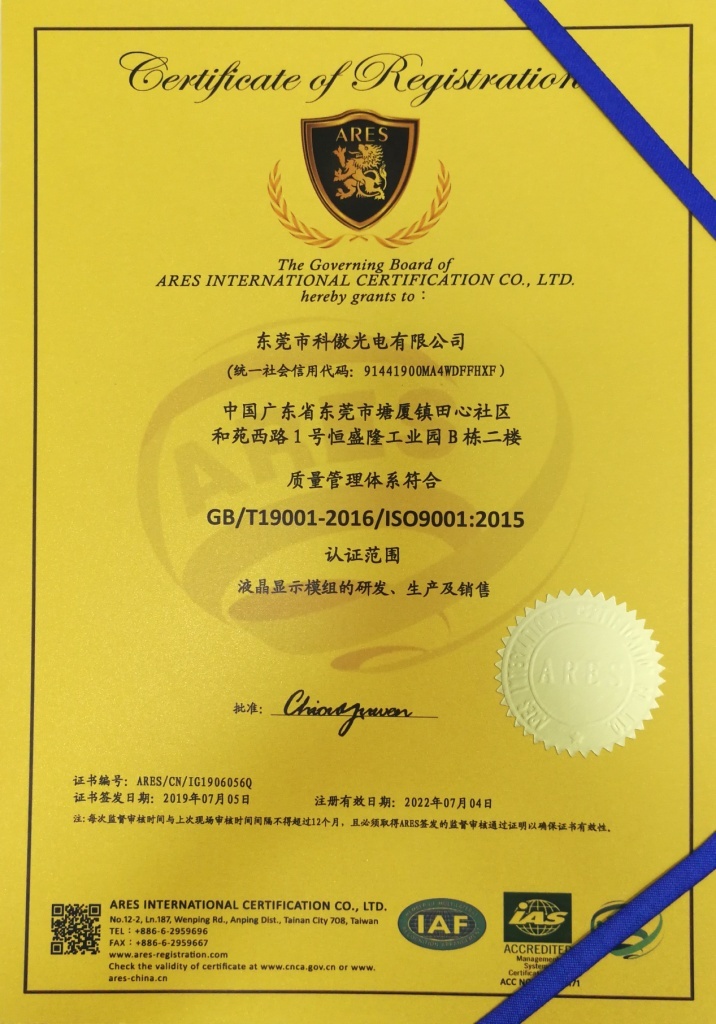
Dongguan Keao Photoelectric Co., Ltd.
Integrity, collaboration, innovation, gratitude
Address
2nd Floor, Building B, Hengshenglong Industrial Zone, Tianxin Town, Tangxia Town, Dongguan City, Guangdong Province, China