
Understanding the Benefits and Applications of Color LCD Modules in Modern LED Displays
Color LCD modules have become integral components in various electronic devices, especially in the field of LED displays. These modules serve as the interface between the user and the technology, providing vibrant visuals and enhancing user experience. In this article, we will delve into the advantages and applications of color LCD modules, aiding professionals in the electrical and electronics in
2024-09-29
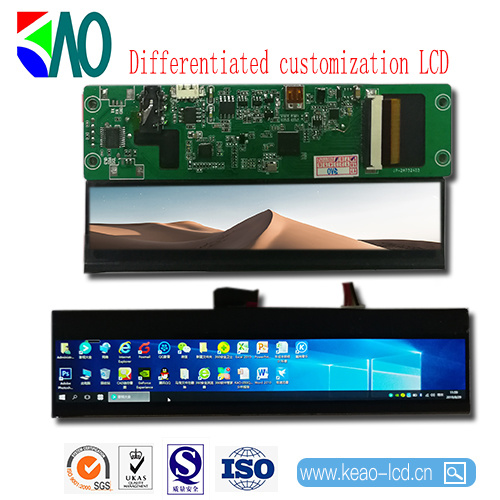
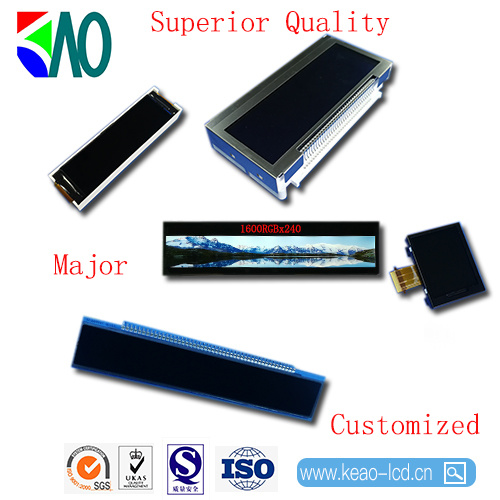
One of the primary benefits of color LCD modules is their ability to produce high-quality images and vibrant colors. Unlike traditional monochrome displays, color LCD modules can render a broad spectrum of colors, making them ideal for applications that require detailed graphics and information. This feature is crucial in LED displays used in advertising, automotive dashboards, and medical instruments, where clarity and color differentiation are vital.
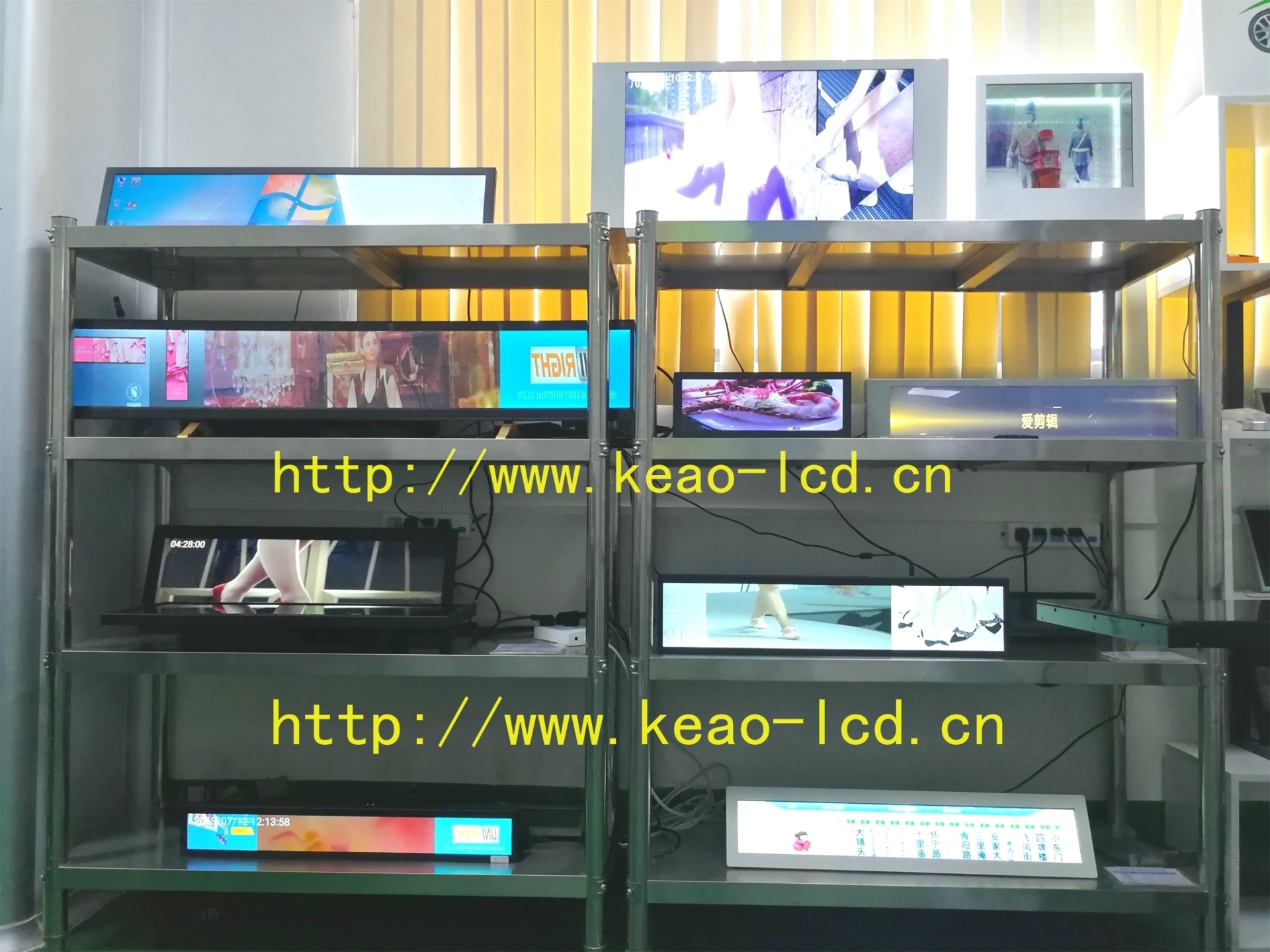
Additionally, color LCD modules are known for their versatility. They can be easily integrated into various devices, from handheld gadgets to large-scale LED screens. This adaptability enables professionals to design products that cater to specific requirements, enhancing overall functionality and appeal. Moreover, advancements in technology have led to the development of more compact and energy-efficient LCD modules, making them suitable for applications where space and power consumption are critical considerations.
Another essential aspect of color LCD modules is their durability and reliability. Many modules are designed to withstand harsh environmental conditions, making them suitable for outdoor LED displays. These displays are commonly used for billboards, sports arenas, and public transportation systems, where resilience against sunlight, moisture, and temperature fluctuations is paramount. As a result, using robust color LCD modules can significantly extend the lifespan of LED display systems.
In terms of usability, color LCD modules often come equipped with touch capabilities, further enhancing interactivity for users. This feature has become increasingly important in modern applications, where user engagement and intuitive interfaces are essential. Touch-enabled color LCD modules enable users to navigate through information effortlessly, making them popular in kiosks, point-of-sale systems, and educational tools.
In conclusion, color LCD modules play a crucial role in the evolution of LED displays across various industries. Their capability to deliver vibrant visuals, adaptability to different applications, and durability under challenging conditions make them indispensable for professionals in the electrical and electronics sector. Understanding the benefits and applications of these modules will empower industry experts to leverage their potential effectively, driving innovation and improving user experiences in various electronic devices.
Related info
Subscribe to us
Get the latest updates as soon as possible


Dongguan Keao Photoelectric Co., Ltd.
Integrity, collaboration, innovation, gratitude
Address
2nd Floor, Building B, Hengshenglong Industrial Zone, Tianxin Town, Tangxia Town, Dongguan City, Guangdong Province, China