
The Future of LED Screens: Innovations in Display Modules
The Future of LED Screens: Innovations in Display Modules Table of Contents Introduction to LED Screen Innovations Current Technology in LED Display Modules Emerging Trends in LED Technology Diverse Application Areas of LED Screens Enhancements in Visual Quality and Performance Sustainability and Energy Efficiency in LED Displays The Future Potential of LED Screen Te
2024-11-16
The Future of LED Screens: Innovations in Display Modules
Table of Contents
- Introduction to LED Screen Innovations
- Current Technology in LED Display Modules
- Emerging Trends in LED Technology
- Diverse Application Areas of LED Screens
- Enhancements in Visual Quality and Performance
- Sustainability and Energy Efficiency in LED Displays
- The Future Potential of LED Screen Technology
- Conclusion
- Frequently Asked Questions
Introduction to LED Screen Innovations
As we venture into the future, **LED screen technology** is rapidly evolving, proving to be one of the most significant advancements in the display industry. With its versatility and efficiency, LED displays have become a fundamental component in various sectors, including advertising, entertainment, and public information systems. This article delves into the latest **innovations in LED display modules**, showcasing how these advancements are setting the stage for a brighter, more interactive future.
Current Technology in LED Display Modules
Modern LED screens utilize **light-emitting diodes** (LEDs) to produce images and videos with exceptional clarity and brightness. The current technology includes various forms of LED displays, such as **SMD (Surface Mount Device)**, **Mini LED**, and **Micro LED**:
SMD LED Displays
SMD technology is widely used in outdoor and indoor displays due to its capability to produce vivid colors and high-resolution images. The integration of red, green, and blue (RGB) diodes into a single package allows for more compact and efficient designs.
Mini LED Technology
Mini LED technology has emerged as a game-changer, enhancing the brightness and contrast of displays. By utilizing smaller diodes, Mini LEDs enable finer pixel densities, resulting in ultra-high-definition visuals that are perfect for large screens.
Micro LED Displays
Micro LED technology takes it a step further by using microscopic LEDs that can emit their light. This allows for **self-emissive displays** that offer better contrast ratios, faster refresh rates, and lower power consumption, paving the way for **flexible and transparent displays**.
Emerging Trends in LED Technology
Several trends are currently shaping the future of LED screen technology. These include:
Smart LED Displays
With the rise of the **Internet of Things (IoT)**, smart LED displays are becoming increasingly popular. These screens can connect to the internet and other devices, enabling real-time updates, remote management, and enhanced user interaction.
Interactive Displays
Interactive LED screens are gaining traction, particularly in educational and commercial environments. These displays allow users to engage and interact with content directly, leading to a more immersive experience.
AI Integration
Artificial intelligence is playing a significant role in the development of LED technologies. AI-driven software can optimize display performance, personalize content delivery, and analyze viewer engagement, providing valuable insights to businesses.
Diverse Application Areas of LED Screens
LED screens are increasingly being utilized across various sectors, demonstrating their versatility:
Advertising and Marketing
In advertising, dynamic LED displays capture attention with their vibrant colors and motion graphics. They are particularly effective in high-traffic urban areas, providing real-time information and promotions.
Entertainment and Events
From concerts to sporting events, LED screens are crucial for enhancing the audience experience. Their ability to display large-scale visuals makes them perfect for live events, ensuring everyone has a great view.
Transportation and Public Information
LED displays are widely used in transportation systems for real-time updates, directional signs, and information dissemination. They enhance safety and efficiency, keeping passengers informed.
Enhancements in Visual Quality and Performance
Recent innovations have significantly improved the visual quality and performance of LED screens:
Improved Color Accuracy
Advancements in color calibration techniques have led to more accurate color reproduction. This is essential for applications where color fidelity is crucial, such as in digital art displays and medical imaging.
Higher Refresh Rates
The demand for high refresh rates in displays is growing, particularly in gaming and sports broadcasting. Modern LED displays can achieve refresh rates of 120Hz or higher, providing smoother visuals and reducing motion blur.
Enhanced Viewing Angles
New technologies are allowing for wider viewing angles without color distortion. This is particularly beneficial for large venues where audiences are seated at various angles relative to the screen.
Sustainability and Energy Efficiency in LED Displays
As environmental concerns continue to grow, the LED industry is focusing on sustainability:
Energy-Efficient Designs
Many modern LED displays are designed for lower energy consumption, which not only reduces costs but also minimizes their carbon footprint. Energy-efficient LEDs are becoming the standard, promoting sustainability.
Recyclable Materials
The shift towards using recyclable materials in the construction of LED displays reflects the industry’s commitment to sustainability. Manufacturers are increasingly designing products with end-of-life recycling in mind.
The Future Potential of LED Screen Technology
The future of LED technology holds immense potential, with ongoing research and development paving the way for further innovations:
Augmented and Virtual Reality Displays
The integration of LED screens with augmented and virtual reality technologies is on the horizon. This combination could lead to immersive experiences in gaming, education, and training.
Wearable LED Technology
The concept of wearable LED technology is gaining traction, with potential applications in fashion, health monitoring, and smart devices. Imagine clothing that can change color based on mood or health data!
Smart City Applications
LED displays are poised to play a significant role in the development of smart cities, providing critical information to citizens and enhancing urban aesthetics with digital art installations.
Conclusion
In conclusion, the future of LED screens is marked by **innovations** that promise to transform the way we interact with visual technology. From enhanced performance and sustainability to diverse applications across various sectors, LED display technology continues to evolve. As we embrace these advancements, we can look forward to a world where **LED screens** become even more integral to our daily lives, enhancing communication, entertainment, and information sharing.
Frequently Asked Questions
1. What are the advantages of LED screens over traditional displays?
LED screens offer several advantages, including higher brightness, energy efficiency, longer lifespan, and better color accuracy compared to traditional LCD or CRT displays.
2. How do Mini LED and Micro LED differ from standard LED technology?
Mini LEDs are smaller diodes that allow for finer pixel densities and improved brightness, while Micro LEDs are even smaller, enabling self-emission for superior contrast and flexibility in display design.
3. Are LED displays environmentally friendly?
Yes, many modern LED displays are designed to be energy-efficient and use recyclable materials, contributing to their sustainability in the environment.
4. What industries benefit most from LED display technology?
Industries such as advertising, entertainment, transportation, and education significantly benefit from LED display technology due to its versatility and impact.
5. What can we expect in the future of LED technology?
The future of LED technology includes advancements in smart displays, augmented reality integration, and the development of wearable LED technology, promising exciting possibilities ahead.
Related info
Subscribe to us
Get the latest updates as soon as possible


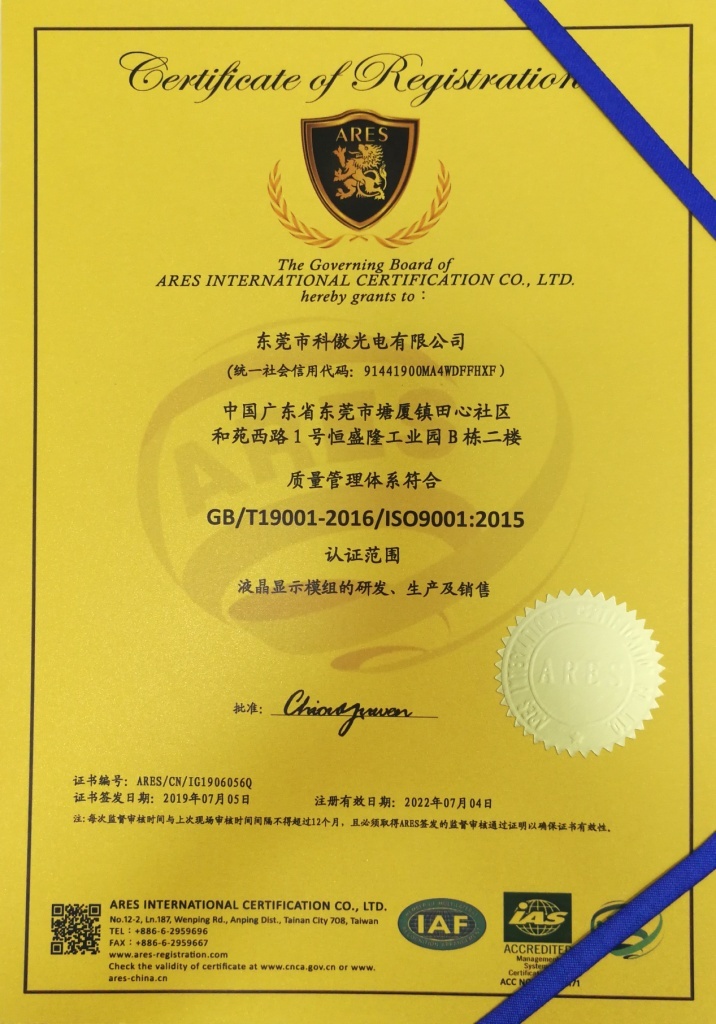
Dongguan Keao Photoelectric Co., Ltd.
Integrity, collaboration, innovation, gratitude
Address
2nd Floor, Building B, Hengshenglong Industrial Zone, Tianxin Town, Tangxia Town, Dongguan City, Guangdong Province, China