
Understanding Color LCD Modules: Key Features and Applications in LED Displays
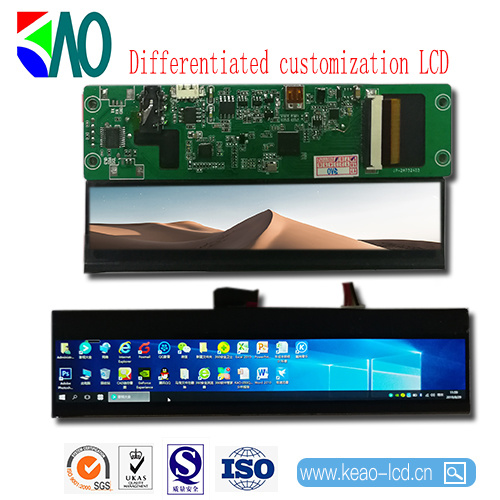
Color LCD modules have become increasingly popular in various applications, especially within the electric and electronics sector, such as LED display technology. A color LCD (Liquid Crystal Display) module consists of multiple layers, including a liquid crystal layer, polarizers, and backlighting, which work together to produce vibrant images and text. Understanding the key components and functio
2025-01-22
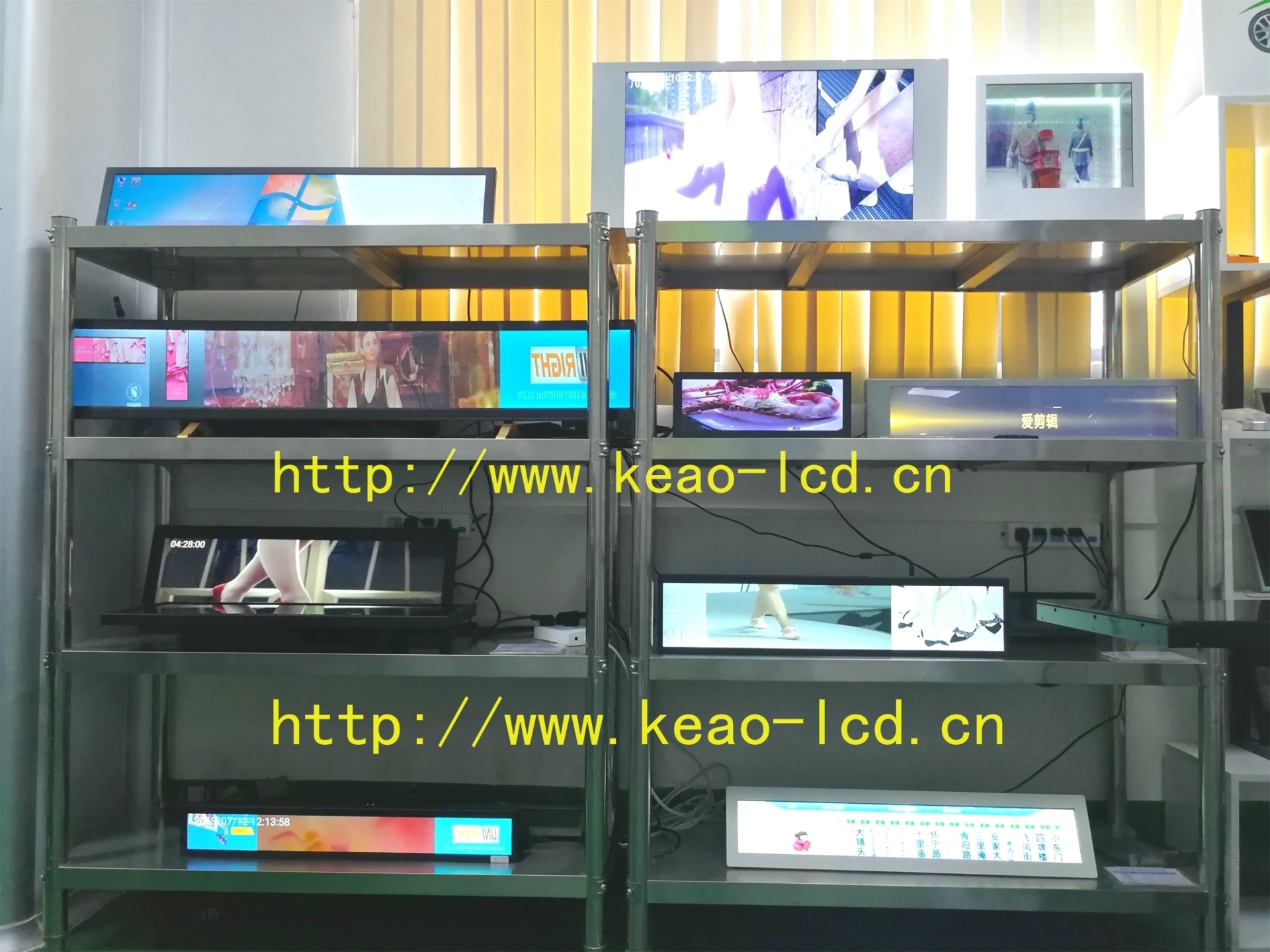
One of the primary advantages of color LCD modules is their ability to deliver high-resolution images with a wide color gamut. This feature is particularly beneficial for applications requiring detailed graphics and clear visibility, such as advertising displays, information boards, and interactive kiosks. They utilize liquid crystals' unique properties to modulate light, resulting in sharp and vivid images that attract attention.
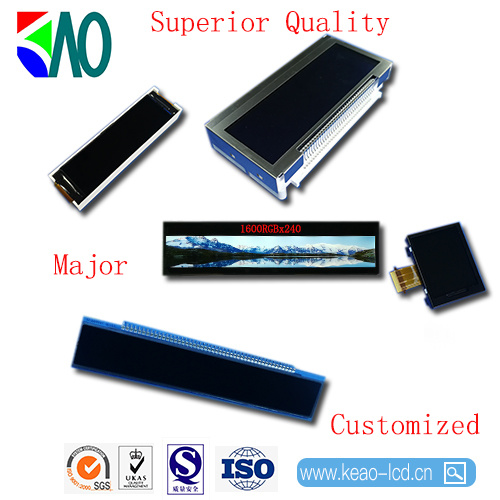
Additionally, color LCD modules are known for their versatility in terms of size and form factor. They can be found in various dimensions, making them suitable for a variety of installations, from compact handheld devices to larger display panels. This adaptability allows designers and engineers to incorporate them into diverse products and environments, aligning with specific project requirements.
Another critical aspect of color LCD modules is their low power consumption compared to traditional display technologies. This energy efficiency is a crucial consideration in modern design, particularly as the demand for sustainable and eco-friendly solutions grows. By utilizing color LCD modules, designers can create LED displays that not only offer excellent visual performance but also contribute to reducing overall energy consumption.
Moreover, color LCD modules support multiple input interfaces, making them compatible with various control systems. Common interfaces include HDMI, VGA, and LVDS, facilitating easy integration into existing systems. This compatibility ensures that color LCD modules can be utilized in a wide range of applications, from consumer electronics to industrial automation.
In summary, color LCD modules play an essential role in the evolution of LED display technology. Their ability to produce high-quality visuals, coupled with energy efficiency and versatile integration options, makes them a preferred choice for many applications. By understanding their features and capabilities, professionals in the electric and electronics industry can leverage color LCD modules to create innovative and effective display solutions that meet the demands of modern users. Embracing these technologies can lead to significant advancements in visual communication and user experience.
Related info
Subscribe to us
Get the latest updates as soon as possible


Dongguan Keao Photoelectric Co., Ltd.
Integrity, collaboration, innovation, gratitude
Address
2nd Floor, Building B, Hengshenglong Industrial Zone, Tianxin Town, Tangxia Town, Dongguan City, Guangdong Province, China