
The Essential Guide to LCD Panel Modules in LED Display Technology
LCD panel modules are critical components in the realm of LED display technology, providing a versatile solution for various applications. Understanding the functionality and advantages of these modules can empower professionals in the electrical and electronics field to make informed decisions and optimize their projects. At their core, LCD (Liquid Crystal Display) panel modules utilize liquid cr
2025-01-24
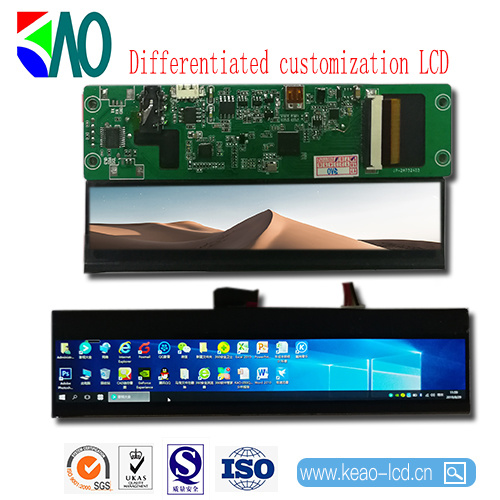
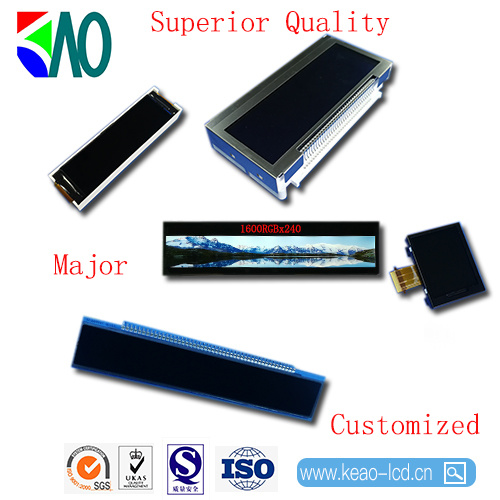
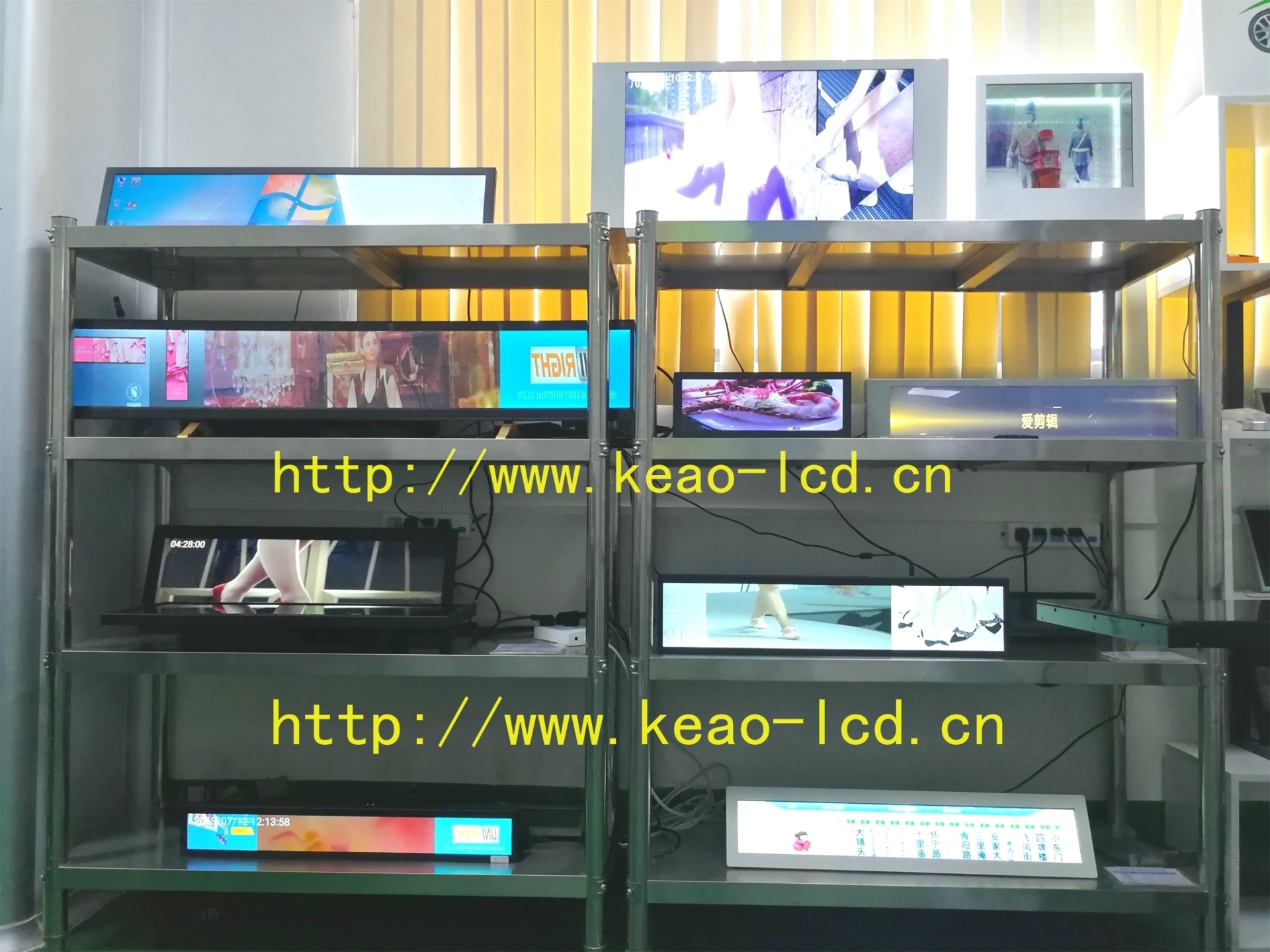
At their core, LCD (Liquid Crystal Display) panel modules utilize liquid crystals to control light and create images. Unlike traditional LED displays that depend on light-emitting diodes, LCD panels incorporate a backlight to illuminate the liquid crystals. This allows for sharp image reproduction and vibrant colors, making them an ideal choice for diverse environments, including commercial displays, signage, and industrial applications.
One significant benefit of using LCD panel modules is their ability to deliver high resolution and pixel density. This ensures that images and text are rendered clearly, which is crucial for applications where visibility is paramount. Additionally, LCD panels are known for their energy efficiency, consuming less power compared to some LED technologies. This can lead to lower operating costs over time, making it an attractive option for businesses aiming to reduce their energy footprint.
Moreover, LCD panel modules offer wide viewing angles, allowing multiple viewers to enjoy the displayed content without significant color distortion. This feature is particularly beneficial in scenarios such as conference rooms and public displays, where audience sightlines may vary. The integration of advanced technologies, like IPS (In-Plane Switching), further enhances color accuracy and contrast, elevating the overall viewing experience.
When selecting an LCD panel module for your project, it's essential to consider factors such as the module's size, resolution, and compatibility with existing systems. Understanding the environment in which the display will be used is also crucial; for instance, outdoor environments may require specific features like enhanced brightness or weatherproofing.
In conclusion, LCD panel modules play a vital role in the evolution of LED display technology. Their unique advantages, including high resolution, energy efficiency, and wide viewing angles, make them a preferred choice for numerous applications in the electrical and electronics sector. By leveraging this knowledge, professionals can effectively integrate LCD technology into their projects, ensuring optimal performance and viewer satisfaction.
Related info


Subscribe to us
Get the latest updates as soon as possible


Dongguan Keao Photoelectric Co., Ltd.
Integrity, collaboration, innovation, gratitude
Address
2nd Floor, Building B, Hengshenglong Industrial Zone, Tianxin Town, Tangxia Town, Dongguan City, Guangdong Province, China