
Understanding Color LCD Modules: A Comprehensive Guide for the Electronics Industry
Color LCD modules are integral components in modern electronic displays, especially in the realm of LED technology. These modules are designed to produce vibrant and clear images, making them ideal for applications ranging from consumer electronics to industrial equipment. Understanding the key aspects of color LCD modules can greatly enhance your project outcomes and product presentations. At the
2025-02-11
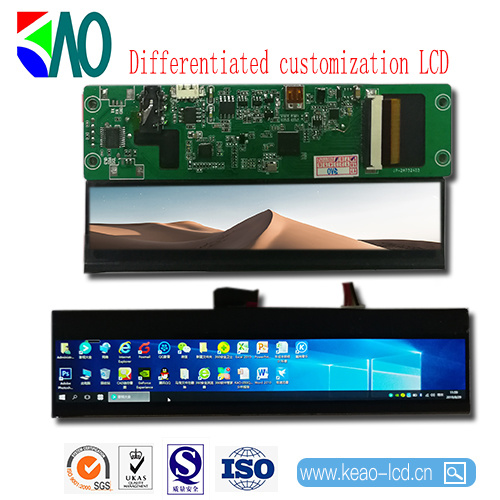
At the core, a color LCD module consists of several layers that work together to create a visual display. The primary components include a liquid crystal display (LCD) layer, a backlight, and often a protective glass or plastic layer. The liquid crystals manipulate light to form images when electrical signals are applied. This process allows for the display of millions of colors, providing rich visual experiences.
One of the most significant advantages of color LCD modules is their ability to display high-resolution images. This is particularly important in industries where detail and clarity are paramount, such as medical imaging, automotive displays, and consumer electronics. The high pixel density of these modules ensures that even the smallest details are rendered crisply, thereby enhancing user experience.
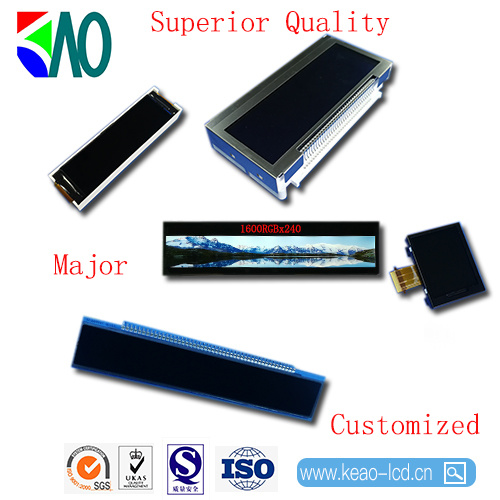
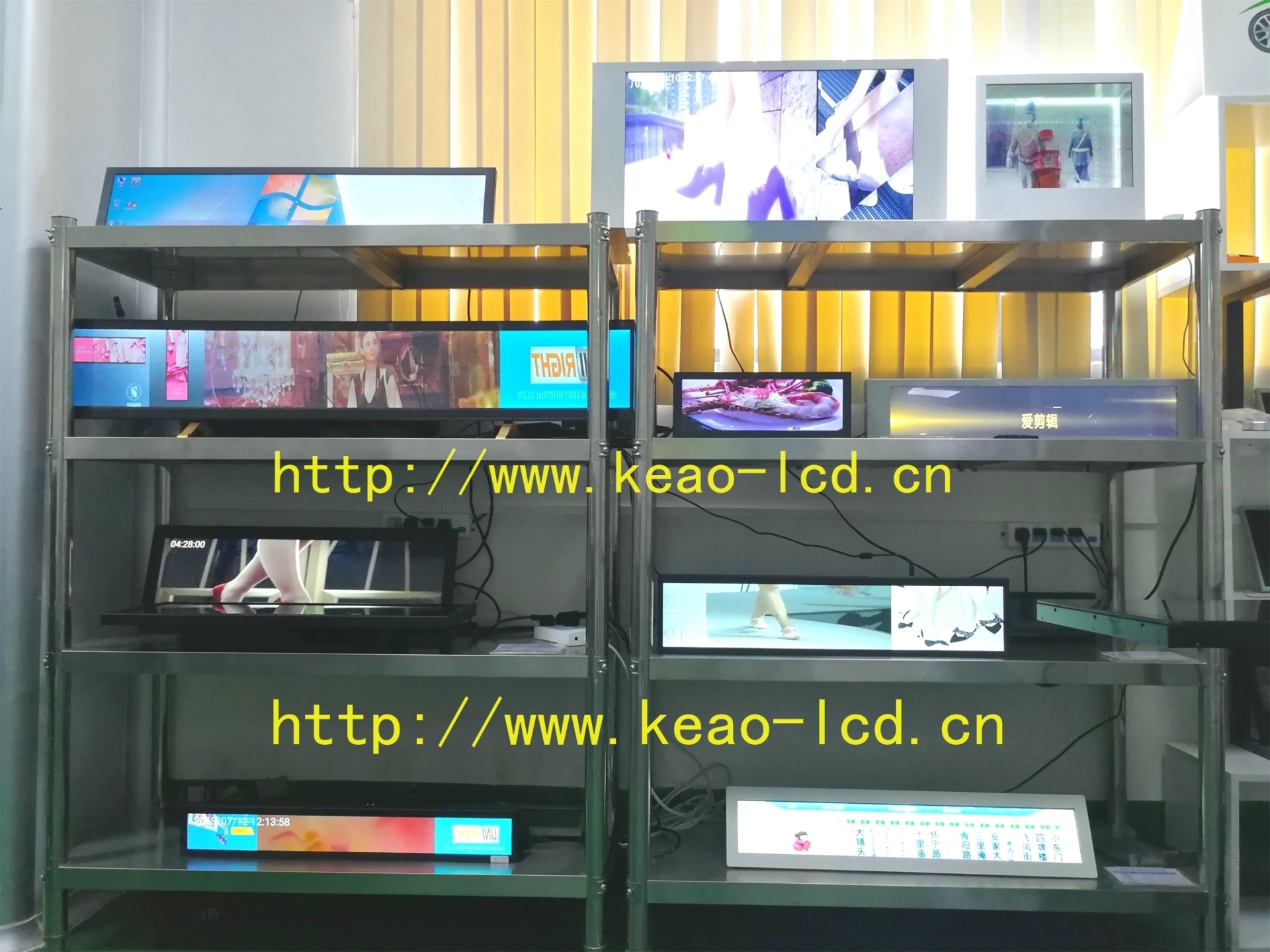
Color LCD modules are also known for their versatility. They can be integrated into various devices, from smartphones and tablets to industrial machinery and smart home devices. Their adaptability makes them suitable for numerous applications, including but not limited to digital signage, gaming, and interactive kiosks. The ability to customize size and resolution further enhances their appeal to manufacturers looking for tailored solutions.
Another important feature of color LCD modules is their energy efficiency. When compared to traditional display technologies, modern color LCDs consume less power, which is crucial for battery-operated devices. This energy efficiency not only prolongs battery life but also contributes to reducing overall operational costs for businesses.
Moreover, advancements in technology have led to the development of thin and lightweight color LCD modules, which facilitate easier integration into various products. This sleek design is particularly advantageous in portable devices, where space and weight are critical considerations.
In summary, color LCD modules represent a significant advancement in display technology, offering a multitude of benefits for various industries. Their high-resolution capabilities, versatility, energy efficiency, and sleek design make them a preferred choice for many applications. By understanding these attributes, professionals in the electronics and LED display sectors can make informed decisions when selecting display solutions for their projects. Whether you're designing a new gadget or upgrading existing technology, color LCD modules are an essential consideration in delivering superior visual performance.
Related info
Subscribe to us
Get the latest updates as soon as possible


Dongguan Keao Photoelectric Co., Ltd.
Integrity, collaboration, innovation, gratitude
Address
2nd Floor, Building B, Hengshenglong Industrial Zone, Tianxin Town, Tangxia Town, Dongguan City, Guangdong Province, China