
Industrial Use LCD Modules: Ensuring Quality Control in LED Display Production
Industrial Use LCD Modules: Ensuring Quality Control in LED Display Production Table of Contents 1. Introduction to Industrial LCD Modules 2. Importance of Quality Control in LED Display Production 3. Key Components of Quality Control 3.1. Incoming Material Inspection 3.2. In-Process Quality Control 3.3. Final Product Testing 4. Challenges in Quality Control for LED Displays 4.1. Variability in Ma
2025-02-18
Industrial Use LCD Modules: Ensuring Quality Control in LED Display Production
Table of Contents
1. Introduction to Industrial LCD Modules
2. Importance of Quality Control in LED Display Production
3. Key Components of Quality Control
3.1. Incoming Material Inspection
3.2. In-Process Quality Control
3.3. Final Product Testing
4. Challenges in Quality Control for LED Displays
4.1. Variability in Manufacturing Processes
4.2. Technology Obsolescence
4.3. Supply Chain Reliability
5. Best Practices for Quality Control in LCD Module Production
5.1. Implementing a Quality Management System (QMS)
5.2. Training and Development of Staff
5.3. Use of Advanced Testing Equipment
6. Future Trends in Quality Control for LED Displays
7. Conclusion
8. Frequently Asked Questions (FAQs)
1. Introduction to Industrial LCD Modules
In today’s fast-paced, technology-driven world, **industrial LCD modules** play a critical role in various sectors, including manufacturing, transportation, and advertising. These modules serve as the backbone of **LED displays**, providing clear and vibrant visuals essential for effective communication and functionality. As industries rely heavily on these displays, ensuring the quality of LCD modules becomes paramount.
2. Importance of Quality Control in LED Display Production
Quality control (QC) is not just a checkbox in the manufacturing process; it's the foundation upon which the reliability and performance of LCD modules are built. **Effective quality control** ensures that components meet strict standards and perform optimally throughout their lifecycle. This is particularly crucial in industrial settings, where failure can lead to significant downtime and financial loss.
3. Key Components of Quality Control
To achieve excellence in production, several critical components must be integrated into the quality control process.
3.1. Incoming Material Inspection
Before any manufacturing begins, inspecting incoming materials is vital. This includes checking raw components and ensuring they meet predefined specifications. By detecting defects early, manufacturers can reduce waste and avoid costly rework.
3.2. In-Process Quality Control
During the manufacturing process, continuous monitoring is essential. Implementing checkpoints throughout production allows for real-time corrections and helps maintain standards in quality. This proactive approach minimizes defects and enhances overall productivity.
3.3. Final Product Testing
Once the production is complete, final product testing is crucial to ensure that every unit meets quality standards. This can include functionality tests, durability assessments, and visual inspections to verify that the product is ready for the market.
4. Challenges in Quality Control for LED Displays
Despite the best efforts in quality control, manufacturers face several challenges that can impact the production of LCD modules.
4.1. Variability in Manufacturing Processes
One significant challenge is the variability in manufacturing processes. Different machines and techniques may result in inconsistencies, affecting the final product's quality. Manufacturers must standardize processes to mitigate this risk.
4.2. Technology Obsolescence
With rapid advancements in technology, many traditional quality control methods may become outdated. Staying updated with the latest technological trends in quality assurance is vital for maintaining competitive advantage and ensuring high-quality output.
4.3. Supply Chain Reliability
The reliability of the supply chain can also influence quality control efforts. A weak supply chain can introduce defects in components, leading to compromised quality. Robust supplier evaluations and partnerships are essential to uphold quality standards.
5. Best Practices for Quality Control in LCD Module Production
Implementing best practices in quality control is essential for ensuring that LCD modules are produced to the highest standards.
5.1. Implementing a Quality Management System (QMS)
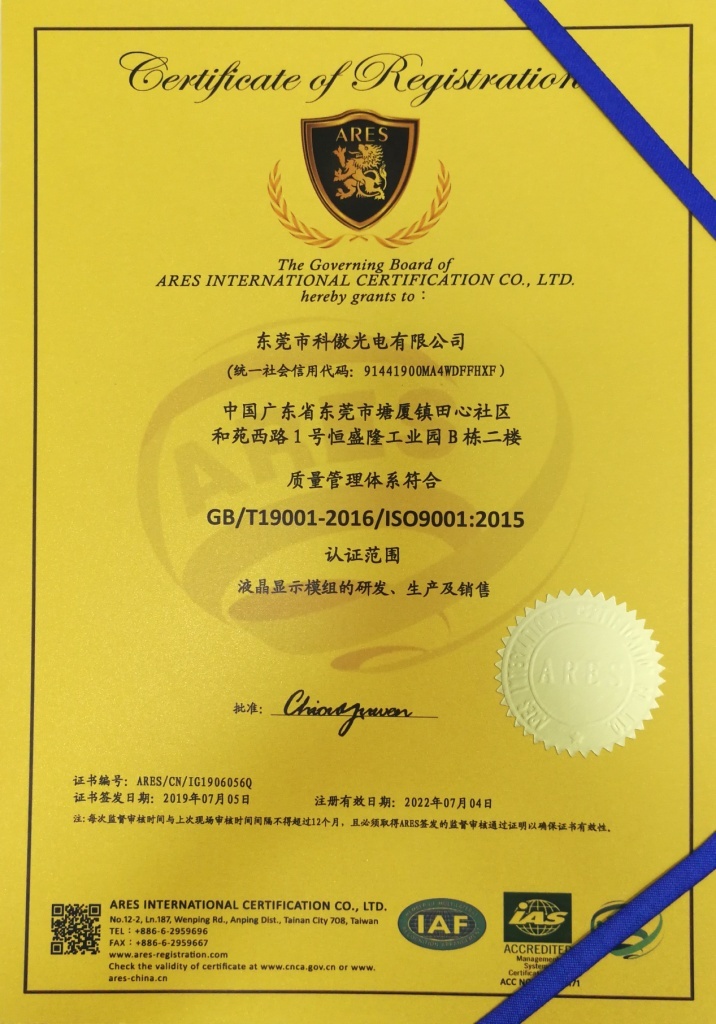
Adopting a Quality Management System (QMS) can streamline quality control processes. A QMS provides a structured approach to managing and improving quality, driving continuous improvement in manufacturing practices.
5.2. Training and Development of Staff
Investing in the training and development of staff is critical. Ensuring that employees are knowledgeable about quality control standards and practices empowers them to make informed decisions that enhance quality.
5.3. Use of Advanced Testing Equipment
Utilizing advanced testing equipment can significantly enhance quality assurance. Implementing cutting-edge technology allows for more accurate and efficient testing, leading to a higher level of product quality.
6. Future Trends in Quality Control for LED Displays
As industries evolve, so do the methods and technologies used in quality control. Future trends may include the integration of **artificial intelligence (AI)** and machine learning to predict and identify quality issues before they arise. Additionally, incorporating **IoT (Internet of Things)** technologies can provide real-time data on product performance, allowing for immediate adjustments in production.
7. Conclusion
In conclusion, the importance of quality control in the production of industrial LCD modules cannot be overstated. It is integral to ensuring that LED displays function as intended, providing reliable performance across various applications. By addressing the challenges and implementing best practices, manufacturers can enhance their production processes, leading to better quality products, increased customer satisfaction, and ultimately, a stronger market presence.
8. Frequently Asked Questions (FAQs)
1. What is an LCD module, and how is it used in LED displays?
An LCD module is a component that displays images and graphics by controlling light. It is widely used in LED displays across various industries for clear visual communication.
2. Why is quality control critical in LCD module production?
Quality control ensures that every module meets performance and reliability standards, minimizing defects that could lead to failures and substantial costs.
3. What are some common challenges faced in quality control for LED displays?
Common challenges include variability in manufacturing processes, technology obsolescence, and supply chain reliability.
4. How can manufacturers ensure quality in their production processes?
Manufacturers can implement a Quality Management System (QMS), train staff, and use advanced testing equipment to enhance quality control.
5. What future trends can be expected in the quality control of LED displays?
Future trends may include the use of AI and IoT technologies for predictive quality control, enabling manufacturers to address issues proactively.
By focusing on these key elements, manufacturers can not only maintain high quality standards in their LCD modules but also adapt to the ever-evolving demands of the industry.
Related info
Subscribe to us
Get the latest updates as soon as possible


Dongguan Keao Photoelectric Co., Ltd.
Integrity, collaboration, innovation, gratitude
Address
2nd Floor, Building B, Hengshenglong Industrial Zone, Tianxin Town, Tangxia Town, Dongguan City, Guangdong Province, China